Looking to create a more productive and stress-free workspace? A feng shui office can help you achieve just that. By thoughtfully arranging your desk, furniture, and décor, you can optimize energy flow, drawing on foundational concepts and energy forces that form the basis for effective feng shui design, to reduce distractions and promote a sense of balance and harmony.
This guide will walk you through practical steps to design your office according to feng shui principles, helping you create an environment that supports focus, creativity, and overall well-being, while creating harmony in line with the feng shui tradition of office design. From positioning your desk to choosing colors and accessories, you’ll learn how small adjustments can have a big impact on both productivity and workplace satisfaction.
Key Takeaways
- Feng shui office design focuses on the intentional arrangement of space and elements to promote positive energy flow, balance, and productivity.
- Core foundational concepts of feng shui include managing the flow of chi, balancing the five elements (Wood, Fire, Earth, Metal, and Water), and ensuring yin and yang balance to create harmony in the environment.
- Key components include using the Bagua map to visualize energy, incorporating ergonomic furniture, and integrating the five elements (Wood, Fire, Earth, Metal, and Water) into your décor.
- Maintaining a clutter-free environment and personalizing the workspace with meaningful items improves emotional well-being and encourages creativity.
Understanding Feng Shui Principles

Feng shui is an ancient Chinese practice that emphasizes arranging spaces to encourage positive energy flow and create a harmonious atmosphere. Its core principles focus on balance and harmony, drawing from Chinese metaphysics, particularly the concept of yin and yang, which represent the balancing of opposing energy forces to achieve harmony in the environment.
Thoughtful furniture placement and material choices help establish a balanced working environment where energy flows smoothly, reducing stress and improving well-being, while also considering the traditional five elements, wood, fire, earth, metal, and water, to harmonize energy throughout the space.
Chi: The Life Force Energy
Chi is the vital life force present in all living things and is essential for promoting vitality and harmony. Chi is influenced by the interplay of energy forces, including the balance of yin and yang, which are fundamental to feng shui principles. According to feng shui, the arrangement of objects in a space significantly influences the energy, or Chi, within it.
Using ergonomic furniture that supports good posture helps maintain a healthy flow of Chi, contributing to a productive and comfortable office environment, including a supportive chair.
The Five Elements of Feng Shui
The five elements of feng shui, also known as the traditional five elements or Wu Xing in Chinese metaphysics, create a dynamic and supportive environment that can influence productivity and mood:
- Wood
- Fire
- Earth
- Metal
- Water
Each element is associated with specific colors and shapes that can be used to enhance the energy of a space; for example, earth is represented by brown, orange, and yellow, while fire is represented by red. The Five Elements interact with each other in a cycle of creation and destruction, which is fundamental to understanding their application in feng shui practices.
Each element corresponds to specific colors and materials that can be incorporated into your office décor to balance energy and enhance well-being. For example, green symbolizes growth and creativity, while red energizes the workspace.
The Bagua Map: Your Office Energy Blueprint
The Bagua map is a feng shui tool used to visualize energy distribution within your office and identify areas for improvement. The bagua is a Chinese word meaning 'eight diagrams,' referring to a bagua-based tool that divides space into eight areas, each corresponding to different life circumstances such as family, wealth, and career. The eight diagrams, also known as the eight trigrams, are fundamental components of the bagua system, representing interrelated concepts through tripartite structures with yin and yang attributes, and are used to map spatial energies. The bagua map is superimposed on the floor plan to analyze and balance the energy flow within a space. Each area of the bagua map has corresponding shapes, colors, seasons, numbers, and earthly elements, with the center representing overall wellness.
Activating specific areas, such as the wealth corner with crystals or the fame area with red items, can further boost positive energy.
History and Development of Feng Shui
Feng shui, an ancient Chinese practice, has shaped the way people interact with their environments for over 3,000 years. The term feng shui literally means “wind-water,” reflecting the belief that the movement of wind and water in the natural world mirrors the flow of qi, or vital life force, in our surroundings. Originating in ancient China, feng shui was initially used to select the most auspicious sites for important structures such as homes, temples, and burial grounds, ensuring harmony between human life and the natural environment.
As Chinese society evolved, so did the practice of feng shui. Early feng shui masters and experts developed sophisticated methods for reading the landscape and interpreting the flow of energy, giving rise to foundational schools such as the Compass School and the Form School. These approaches helped government officials, architects, and families align their buildings with the forces of nature, promoting prosperity and well-being. Over centuries, the wisdom of feng shui spread beyond China, influencing architecture and interior design worldwide. Today, feng shui experts continue to draw on this rich tradition, helping people create harmonious spaces that support health, happiness, and success.
Feng Shui Schools and Approaches
Feng shui has branched into several distinct schools and approaches, each offering unique perspectives on how to achieve balance and harmony in a space. The Compass School, also known as the Classical School, relies on the use of a Chinese compass to determine the precise orientation of a building and its relationship to the cardinal directions. This method considers how the alignment of a structure interacts with the surrounding environment and the flow of qi.
In contrast, the Form School focuses on the physical shapes and natural features of the landscape, such as mountains, rivers, and valleys. This approach emphasizes how the contours of the land and the placement of buildings influence energy flow and overall harmony. Other popular methods include the Eight Mansion Theory and the Flying Star technique, which incorporate auspicious dates and the movement of energy over time to determine the most favorable arrangements. By understanding the principles behind these feng shui schools, individuals can select the approach that best aligns with their goals and the unique characteristics of their living or working space.
Benefits of a Feng Shui Office Layout

A well-designed feng shui office layout offers numerous benefits, including increased productivity, improved mood, and overall well-being. By promoting smooth energy flow and minimizing distractions, feng shui focuses on creating harmony and balancing energy forces within the workspace, while also reducing negative energy. This helps create a balanced and harmonious workspace that boosts creativity and mental clarity. Employees in a well-arranged feng shui office often experience reduced stress, better focus, and sustained energy throughout the day.
Positioning for Positive Energy Flow
The arrangement of furniture, choice of colors, and use of materials all play a crucial role in promoting positive energy flow in a feng shui office. Plants and water elements are excellent additions to increase positive Chi and create balance. Key elements include:
- Arrangement of furniture
- Selection of colors
- Use of materials
- Addition of plants
- Incorporation of water elements
Clear pathways are essential in feng shui for the unobstructed movement of chi, especially near the main entrance, so avoid blocking doorways or windows. The general surroundings, including other buildings and features in the urban environment, influence the energy flow and should be considered in house design to enhance harmony and positivity.
Maintaining sufficient space around your desk and eliminating obstacles ensures smooth energy flow, supporting a productive workspace.
Desk Placement: Command Position
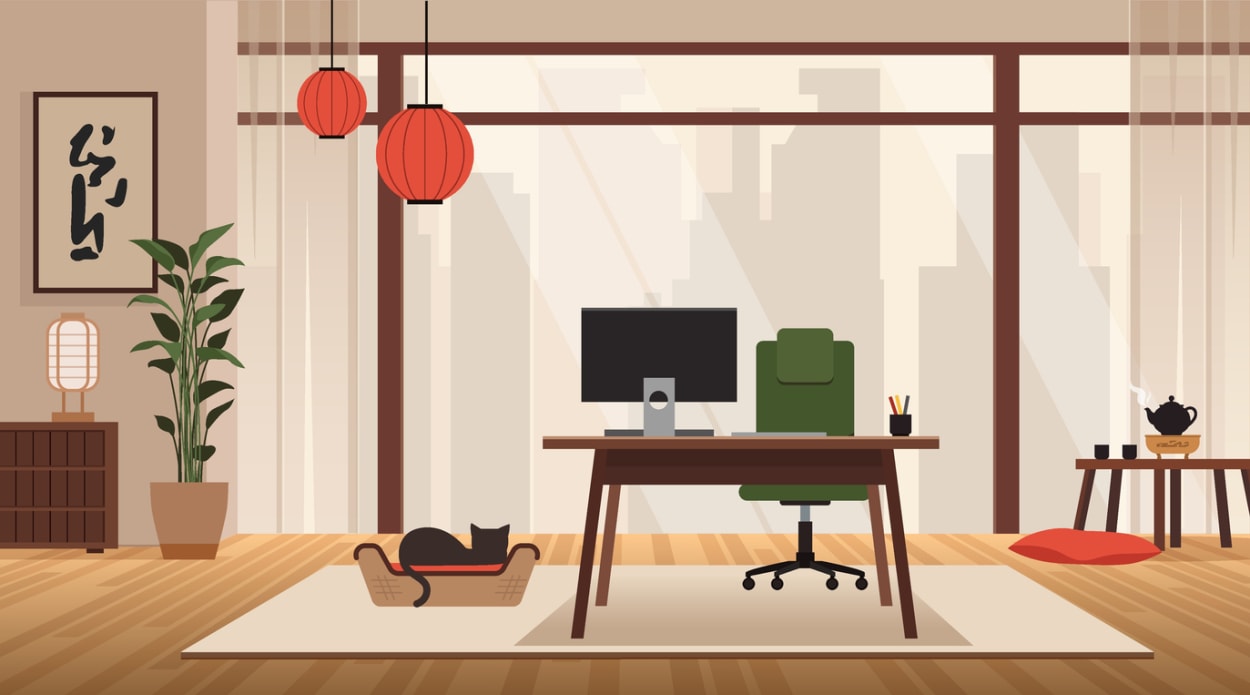
The command position for your desk symbolizes control and stability in your office, enhancing visibility and productivity. Ideally, your desk should face the entrance while being positioned away from direct alignment with the door. In feng shui, the commanding position is ideally located with a clear view of the main entrance, which is believed to enhance one's sense of security and control. If a solid wall isn’t available behind you, a mirror can help create a sense of support and control.
Chair and Computer Arrangement
An ergonomic desk chair with a high back and armrests supports good posture and improves the flow of Chi. Position your chair to face the door, avoiding having your back to it, to maintain support and visibility. Avoid placing your computer directly by a window to reduce distractions and glare, and consider desk shapes like kidney-bean or L-shaped desks, which create a gentle, embracing energy that supports better focus.
Natural Light and Air Quality
Natural light is a powerful source of positive energy that can improve mood and productivity. Maximizing natural light and maintaining good air quality with plants and air purifiers helps create a healthier, more vibrant office environment. Incorporating calming colors and well-placed greenery can also reduce workplace stress and support more balanced collaboration.
Incorporating Feng Shui Elements in Your Office

Integrating the five elements of feng shui (Wood, Fire, Earth, Metal, and Water) effectively shapes the energy and ambiance of your office. Using a combination of these traditional five elements, also known as Wu Xing, fosters balance and harmony, enhancing both productivity and well-being. The five elements interact in cycles of creation and destruction, which is fundamental to their application in feng shui practices.
Wood Element: Growth and Creativity
The Wood element represents growth, vitality, and flexibility in a feng shui office. Incorporating natural wood desks, healthy green plants, and images of nature fosters creativity and enhances the workspace’s vitality. Green, symbolizing growth and renewal, is an essential color for promoting creative energy.
Fire Element: Passion and Energy
The Fire element symbolizes passion, energy, and transformation. Using colors like red, orange, and purple, along with good lighting and candles, can invigorate the office atmosphere. Balance is important, as too much Fire energy can lead to irritability and impulsiveness.
Earth Element: Stability and Grounding
The Earth element provides stability and grounding, generating feelings of strength in the office environment. Introducing earthy colors like beige, sand, and soft yellow, along with ceramic or clay items, creates a stable and nurturing environment. Imagery such as mountains or fields can create a sense of reliability and security.
Metal Element: Clarity and Focus
The Metal element is associated with focus, organization, and mental clarity. Incorporate metal objects like lamps, picture frames, and organizational trays to introduce Metal energy. Colors such as white, gray, and silver increase clarity and precision.
Water Element: Calm and Wisdom
The Water element promotes calmness and a contemplative atmosphere. Using colors like black and dark blue, wave-like patterns, and water features such as fountains can foster tranquility and communication. Integrating Water elements fosters wisdom and adaptability in the office.
Decluttering for Mental Clarity
Clutter is a major barrier to the flow of positive energy and should be minimized for optimal workspace efficiency. Removing unnecessary items can enhance emotional well-being and mental clarity, creating a more productive and focused environment. In feng shui, it is especially important to remove broken things, as they are believed to attract negative energy and suffering, hindering harmony and success. Decluttering is essential in feng shui to allow chi to flow freely and prevent stagnation and negative energy from accumulating in your space. Items that are broken or no longer useful should be removed to maintain a clutter-free space.
Daily Desk Tidying
At the end of each workday, tidy your desk by putting away papers, organizing pens, and wiping down surfaces. Regularly reviewing your belongings and removing unneeded items helps maintain a clutter-free workspace. A tidy desk promotes productivity and prepares you for new tasks.
Storage Solutions
Using storage solutions such as cabinets and drawer organizers helps keep your workspace organized and tidy. Effective storage keeps unnecessary items out of sight, contributing to a harmonious and focused office environment.
Adapting Feng Shui to Shared Workspaces
Feng shui principles can be applied to shared workspaces to help employees feel grounded and focused. Drawing from the feng shui tradition, these practices aim at creating harmony among coworkers by optimizing energy flow. Creating personal space, maintaining command positions, and balancing energy enhances harmony and productivity in a shared office environment.
Clear Pathways and Flexible Desk Arrangements
In shared offices, position desks to maintain a clear view of the entrance. Keep personal areas tidy to support mental clarity and focus. Define personal territory with small rugs or plants to establish a sense of ownership.
Personalizing Shared Desks
Use small keepsakes, essential oils, or a plant to personalize shared desks. Keeping your immediate workspace organized and clutter-free contributes to a harmonious and productive environment for everyone.
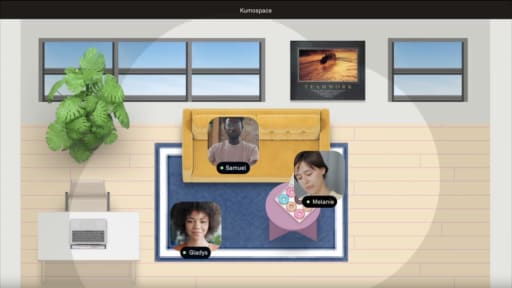
Creating a Balanced Virtual Office With Kumospace

For remote and hybrid teams, office energy and collaboration are no longer limited to physical spaces. A thoughtfully designed virtual office can also support focus, creativity, and stronger team connection. Kumospace helps teams recreate the feeling of a balanced workplace through immersive virtual office spaces that encourage more natural interaction and communication throughout the day.
Features like spatial audio make conversations feel more organic by allowing people to move freely between discussions, similar to how interactions happen in a physical office. Integrated video conferencing, customizable workspaces, breakout rooms, and collaborative environments help reduce the isolation that often comes with remote work while supporting better teamwork and productivity. Teams can create spaces for focused work, casual conversations, brainstorming sessions, and wellness check-ins, all within the same virtual environment.
By combining intentional workspace design with modern virtual collaboration tools, companies can create a more harmonious and engaging remote work experience. Whether teams are hosting meetings, collaborating on projects, or simply staying connected throughout the day, Kumospace helps bring balance, energy, and human connection into the digital workplace.
Working with Feng Shui Experts

Consulting with feng shui experts can be a transformative step for anyone seeking to create a more harmonious and balanced environment. A skilled feng shui master brings deep knowledge of traditional feng shui principles and can quickly identify areas of bad feng shui that may be affecting your well-being or productivity. These experts offer personalized feng shui tips and practical recommendations, from adjusting furniture placement to selecting auspicious dates for important changes.
When choosing a feng shui expert, look for someone with a strong background in traditional feng shui and a track record of helping clients achieve good feng shui in their spaces. A reputable expert will take the time to understand your specific needs and goals, ensuring that their guidance is tailored to your unique situation. By working closely with a feng shui expert, you can learn how to practice feng shui effectively, transforming your home or office into a place of harmony, positive energy, and lasting success.
Summary
Applying feng shui principles in your office goes beyond aesthetics. Grounded in foundational concepts, feng shui focuses on creating harmony by managing energy forces within your environment. It can fundamentally transform the way you feel and work in your space. By intentionally arranging furniture, incorporating natural elements, and balancing the five feng shui elements, you can create an environment that supports focus, creativity, and overall well-being.
Even small adjustments, such as repositioning your desk to face the door, adding plants for vitality, or introducing supportive décor, can significantly improve the flow of energy, reduce stress, and boost productivity. When your workspace is thoughtfully designed with feng shui in mind, it becomes more than just a place to work. It becomes a space that inspires, energizes, and nurtures your professional and personal growth.
Frequently Asked Questions
Feng shui improves productivity by promoting positive energy flow and organization, which leads to better focus and efficiency in your workspace. Applying its principles can create an environment that supports higher output.
The command position in feng shui positions your desk facing the entrance, allowing you to see who enters while not being directly aligned with the door. This setup promotes a sense of control and security in your workspace.
You can incorporate the five elements in your office by selecting colors, materials, and decor that represent Wood, Fire, Earth, Metal, and Water, creating a balanced and harmonious environment. For example, use plants for Wood, candles for Fire, earthy tones for Earth, metal accents for Metal, and water features or blue tones for Water.
If moving your desk is not possible, use mirrors, plants, and decorative elements to improve energy flow in your workspace. These additions can make the area more inviting and motivating.
Yes, feng shui can be applied in a shared workspace by creating personal areas and keeping the environment organized. This approach encourages a harmonious atmosphere and can support your professional and personal growth.