Are you looking to build business credit but need help figuring out where to begin? The path to robust business credit involves more than sound financial behavior; it’s about making informed structural choices for your company. This guide delivers concrete actions on building business credit, from securing an EIN to understanding the role of credit bureaus, ensuring your journey toward a stellar business credit score is clear and achievable. Dive into the article to demystify the process and empower your business’s financial future.
Key takeaways
- Establishing business credit begins with creating a separate legal entity like an LLC or corporation, securing an EIN, and setting up a dedicated business bank account to ensure financial independence from personal finances.
- Understanding different forms of business credit, the implications of personal guarantees, and interacting with credit bureaus are essential for navigating creditworthiness and financial resilience in the business landscape.
- Building a strong business credit profile requires timely payments, wise credit management, and leveraging financial tools and networking opportunities. It also requires maintaining a separation of personal and business finances; keeping business and personal accounts, credit, and expenses distinct is crucial for legal protection and effective credit building.
Laying the foundation for business credit
Early-stage businesses need to get many aspects of their operations right the first time. From team collaboration, hiring the best people, to a careful watch on finances, making mistakes creates harsh lessons.
As part of the finance side, the journey to build business credit begins with a critical decision: choosing the proper business structure. Opting for a separate legal entity, such as an LLC or corporation, not only shields your personal assets from business liabilities but also sets the stage for a distinct financial identity. These steps are essential to establishing business credit and ensuring your business is recognized as a separate entity.
With that foundation in place, obtaining necessary identifiers and creating a business bank account should be simple, putting your business in good standing with lenders and credit bureaus, which is a crucial part of establishing credit for your company.
Choosing a business structure
When you select a business structure, you’re defining the future of your legal responsibilities and, by forming a legal business entity, taking a key step toward building business credit. A Limited Liability Company (LLC) or a corporation offers protection for your personal assets and carves out a separate business entity, crucial for establishing business credit.
Conversely, a sole proprietorship, while simpler, muddies personal and business liabilities and hinders the ability to build a business credit profile.
Securing an employer identification number (EIN)
Separating your identity from your business is a fundamental step, and obtaining an Employer Identification Number (EIN) from the IRS does precisely that. Think of the EIN as your business’s social security number; it’s a unique identifier that enables you to:
- Build a credit history separate from your personal one
- Establish your business as a separate legal entity
- Open a business bank account
- Hire employees
- File taxes for your business
In addition to an EIN, many businesses may also need a unique identifier from the Data Universal Numbering System (DUNS) provided by Dun & Bradstreet. The DUNS number is important for establishing creditworthiness and is often required by government agencies and large corporations.
Obtaining an EIN is a necessary move for any business owner.
Setting up a business bank account
A business bank account is not just a repository for your company's funds; it's a statement of your business's independence. It simplifies financial management, from handling invoices to identifying tax deductions, and reinforces the distinction between personal and business finances, a separation that's crucial for transparency and credibility.
Navigating the credit landscape
Understanding the terrain of business credit is akin to mastering the rules of the road before taking the driver’s seat. Recognizing the various types of credit available and the implications of personal guarantees on your financial journey makes for safer credit use. Opening and managing various credit accounts is essential for building business credit.
Understanding different types of business credit
Business credit is available in various forms:
- Installment accounts, which function on a fixed-payment basis
- Revolving accounts, which offer flexibility in borrowing
- Vendor lines of credit, which extend trade credit that defers payment for goods or services
Effectively managing your available credit, monitoring your credit limits, and maintaining a healthy credit utilization ratio, ideally below 30%, are crucial for building and sustaining strong business credit. These practices help demonstrate responsible credit management to lenders and can improve your access to larger financing options.
Each type of credit contributes uniquely to your business’s financial narrative.
They, including personal credit reports, are instrumental in painting a comprehensive picture of your business’s credit history and ability to manage financial obligations. These can be reflected in a business credit report and influence both business credit scores and personal credit scores.
The role of personal guarantees
Personal guarantee (a legal commitment to repay business debt personally) lifts the veil between you and your business, placing your personal assets on the line to secure personal credit. These legal commitments can be daunting, as they may hold you responsible for the entirety of your business’s debts in case of default.
It’s a sobering reality that underscores the importance of responsible credit management and informed decision-making. Personal guarantees can also impact loan eligibility, as lenders may require them if your business credit is not strong enough. Building strong business credit can help you avoid the need for a personal guarantee and improve your chances of qualifying for loans based solely on your business’s financial profile.
Interacting with business credit bureaus
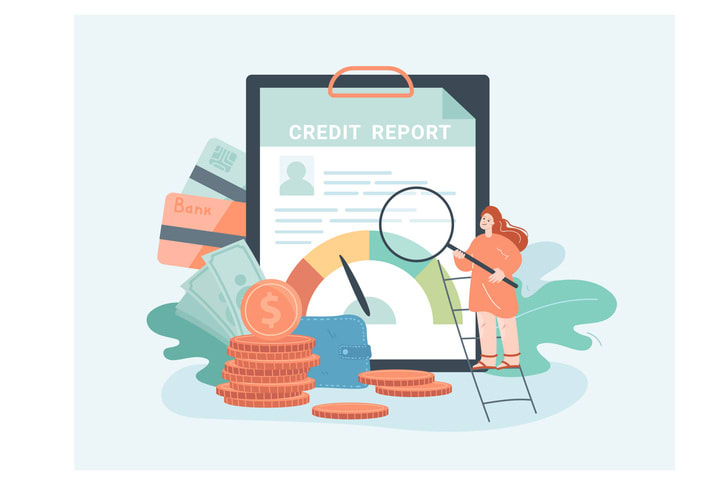
The relationship between businesses and major business credit bureaus is symbiotic. Your company provides the data; they craft your credit reports. By interacting with major credit bureaus like Dun & Bradstreet, Experian, and Equifax, you gain visibility into how your business is perceived financially and what steps you can take to enhance your standing in the credit ecosystem. Business credit monitoring services are available to help you monitor your business credit, providing real-time updates and alerts to detect errors or fraud and protect your credit profile.
Registering with business credit reporting agencies
Registering with business credit reporting agencies, such as obtaining a D-U-N-S number from Dun & Bradstreet, is akin to opening the door to a world of financial opportunities. This unique identifier is your business’s passport in the realm of credit, often required by lenders and partners to gauge your business’s fiscal health.
By registering with these agencies, you enable vendors and lenders to report payment history to credit bureaus, which is essential for building and improving your business credit.
Monitoring your business credit score
Vigilance is key when it comes to your business credit score. Regular monitoring can help detect business identity theft and protect your business credit file from unauthorized activity. Regular monitoring not only ensures accuracy but also reveals areas for enhancement. It’s an investment in your business’s financial reputation, with services varying in cost across credit bureaus, reflecting the value of this critical oversight.
Credit-building strategies for businesses
Strategizing your approach to credit-building is a testament to your business’s foresight. It requires a blend of timely payments and judicious credit usage to cement your business’s reputation as a reliable borrower. Building strong business credit and maintaining it provides long-term benefits, such as improved access to financing and greater financial stability.
These practices are the building blocks for a credit profile that opens doors to growth and success, and helps demonstrate responsible credit management to lenders and credit bureaus.
On-time payments: the backbone of good credit
On-time payments are the cornerstone of a sound credit history, a simple yet powerful indicator of your business’s reliability. Missed payments, on the other hand, can negatively impact your business credit score, as credit bureaus record late or missed payments and factor them into your overall creditworthiness.
This practice speaks volumes to credit bureaus and lenders, reflecting positively on your business credit score and establishing a track record of trustworthiness, as a positive payment history demonstrates reliability and financial discipline.
Using credit wisely
Wise credit usage is not just about restraint; it’s about strategic management. It involves understanding the nuances of business credit cards and lines of credit and leveraging them to support operational expenses. Using business credit cards for business purchases can simplify expense tracking, streamline tax filing, and enhance your business’s professional image. Regular reviews of financial statements and a cautious approach to opening new lines of credit are part of this prudent management.
Leveraging financial tools and resources
In the quest to build business credit, tools and resources such as online platforms offer a treasure trove of information and community support. Accessing the right financial resources is crucial for securing the resources needed for growth, as they help businesses obtain capital, support expansion, and demonstrate responsible financial management. These avenues provide insights into the experiences of other business owners and offer a means to learn, grow, and, ultimately, thrive.
Using Kumospace to Improve Financial Literacy and Share Credit Knowledge
Kumospace, a virtual office platform with spatial audio and real-time presence, helps distributed teams improve financial understanding through more natural, interactive communication. Instead of relying on static documents, managers can host live discussions in a shared virtual workspace where employees can ask questions and learn in context.
It’s especially useful for explaining company credit card usage, expense policies, and reimbursement rules, making onboarding and day-to-day financial processes clearer and more consistent. Teams can also run informal workshops or Q&A sessions to improve understanding of business credit and reduce costly mistakes.
By combining spatial audio, virtual office collaboration, and ongoing conversation, Kumospace makes financial knowledge easier to share, improving alignment, reducing errors, and strengthening overall operational efficiency.
Accessing workshops and networking events
Workshops and networking events serve as conduits for knowledge exchange, allowing business owners to share their credit-building experiences, an especially important opportunity for small businesses seeking to strengthen their credit profiles and access better financing options. These settings are invaluable for gleaning best practices that can refine your credit strategies.
Maintaining separation of personal and business finances
The demarcation between personal and business finances is not just a matter of organization; it's a safeguard for your personal assets and a requisite for a credible business credit profile. Keeping your personal finances separate lays a clear path for financial integrity and creditworthiness.
Best practices for financial separation
Employing best practices for financial separation can streamline operations and safeguard both personal and business credit. Here are some practices to consider:
- Establish dedicated business accounts
- Meticulously organize receipts
- Aid in tax preparation
- Reinforce the professionalism and financial prudence of your enterprise
These practices can help ensure the success and stability of your business, while also demonstrating financial responsibility to partners and lenders.
Planning for the future: long-term credit goals
Setting your sights on the horizon involves crafting long-term credit goals to sustain your business’s growth over time. Monitoring and improving your credit health is essential for long-term success, as it ensures your business remains creditworthy and financially resilient. This forward-thinking approach is about more than just immediate needs; it’s about positioning your company to access the best financing options available in the coming years.
Creating a roadmap for business credit growth
A strategic roadmap for business success and credit growth is a blueprint for success. It outlines the steps and timeframes needed to achieve your desired credit status, including building a strong business credit history and maintaining a good personal credit score, both of which are essential for accessing funding and favorable financing options.
This roadmap is your guide to navigating the financial landscape with confidence and precision.
Summary
Building business credit starts with creating a clear separation between personal and business finances. This includes forming a legal entity such as an LLC or corporation, obtaining an EIN, and opening a dedicated business bank account. These steps establish a distinct financial identity that allows credit bureaus and lenders to track business activity independently and begin building a credit profile.
Once the foundation is in place, strong business credit is built through responsible financial behavior and consistent monitoring. This includes registering with credit bureaus like Dun & Bradstreet, paying bills on time, managing credit utilization carefully, and using credit strategically without overextending. Over time, maintaining good credit practices improves access to financing, strengthens business credibility, and supports long-term growth and stability.
Frequently Asked Questions
Choosing an LLC or corporation over a sole proprietorship for business credit offers protection for personal assets and allows the business to build its own credit profile, providing a clear advantage.
A personal guarantee can put your personal assets at risk because you become legally responsible for the business debts if the company fails to pay. Be cautious when considering a personal guarantee for securing business credit.
Monitoring your business credit score is important because it ensures accuracy, helps identify areas for improvement, and maintains the integrity of your financial reputation. Regular monitoring allows you to stay on top of any changes and address any potential issues promptly. Use collaboration tools like Kumospace to collaborate and reach fiscal responsibility among your teams.
Yes, using business credit cards can impact your personal credit score if the lender reports to both business and personal credit bureaus, particularly if payments are missed or balances are high. Be mindful of how your business credit card activity may affect your personal credit score.
In a strategic plan for business credit growth, it's important to outline actions such as establishing trade lines with suppliers who report to credit bureaus and set specific timeframes for achieving credit scores or utilization goals. This can help track progress and make informed decisions.