The performance management cycle has four stages that repeat every quarter: planning, monitoring, developing, and rewarding. This structured, ongoing performance management process ensures that employee performance is systematically overseen through a continuous cycle of goal setting, feedback, and development, rather than becoming a once-a-year fire drill.
Here’s a concrete timeline for running this cycle from April to June 2026 for a backend team:
|
Week |
Stage |
Activities |
|
Week 1 (April) |
Planning |
Review Q1 outcomes, set Q2 goals, align with product roadmap |
|
Weeks 2-10 |
Monitoring |
Weekly 1:1s, sprint reviews, dashboard tracking |
|
Weeks 6-8 |
Developing |
Skills coaching, stretch assignments, training |
|
Weeks 11-12 (June) |
Rewarding |
Quarterly review, recognition, comp adjustments if applicable; performance evaluations play a key role in the review and reward stages, providing objective, ongoing assessments that inform recognition and compensation decisions |
Planning and Goal Setting at the Start of Each Cycle
A planning meeting sets the foundation for the quarter. Use a 60-minute session to review last quarter’s outcomes, align on current priorities, set 3–5 clear goals per engineer with success metrics, and address questions or resource needs.
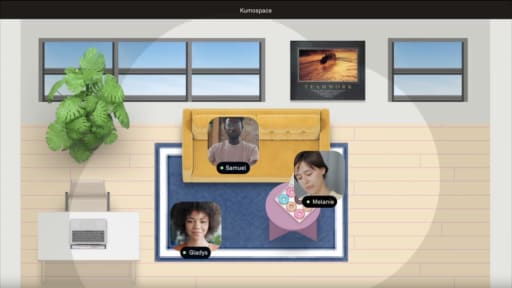
Run the session in a shared virtual space to build alignment, then document decisions in tools like Notion or Google Docs for async access. Align goals with product roadmaps and the company stage to drive productivity, engagement, and overall team success.
Monitoring Progress with High-Signal Check-Ins
Track progress without micromanaging by using short, structured 1:1 check-ins (15–20 minutes) that focus on blockers, decisions, and weekly learnings rather than status updates. Status should come from dashboards and sprint tools, allowing conversations to center on support, clarity, and problem-solving.
Make progress visible through shared dashboards or documents so both managers and team members have access to real-time insights. This transparency enables better decision-making, encourages peer support, and reduces the feeling of top-down oversight, helping feedback feel collaborative rather than like surveillance.
Developing Skills and Expanding Scope Based on Real Data
Look at actual work over the quarter to identify specific skill gaps. If an engineer has recurring on-call issues, that’s a signal. If architecture decisions keep getting reworked, that’s data.
Concrete development interventions that support employee development and career progression:
- Shadowing: Pair junior engineers with seniors on complex tasks
- Deep-dives: Assign architecture design documents with review cycles
- Learning groups: ML paper reading clubs, system design discussions
- Sponsored courses: Paid training with follow-up implementation projects
Reviewing, Recognizing, and Rewarding Performance Fairly
End-of-cycle reviews should synthesize the quarter’s observations into clear, actionable feedback and provide constructive feedback to support employee growth.
Review process:
- Gather evidence (1:1 notes, peer feedback, performance metrics)
- Write a performance summary against the rubric criteria
- Calibrate across managers to ensure consistency
- Share outcomes with engineers in a dedicated conversation, ensuring to provide constructive feedback during the discussion
Types of rewards or motivators beyond salary:
- Promotions to the next level
- Expanded scope (owning a new service, leading an initiative)
- Visibility opportunities (conference talks, blog posts, demos)
- Special projects (new AI product exploration, research time)
Timely recognition matters. Don’t wait for quarterly reviews to acknowledge achievements. Public shout-outs in town halls or virtual gatherings keep team performance visible and morale high. Timely recognition and feedback contribute to improved performance across the team.
Align rewards with your compensation philosophy and market benchmarks. Market data provides insight into what engineers at different levels and skill sets command, useful for ensuring your rewards remain competitive.

There’s a real risk of treating engineers as numbers. At the same time, data is crucial for fair and consistent evaluation. The balance is selecting a small set of meaningful performance metrics that reflect real outcomes and using them as inputs to human judgment, not as replacements for it. In modern performance management systems, performance evaluations combine these quantitative metrics with qualitative feedback, ensuring a more comprehensive and objective assessment.
Selecting Metrics and Signals That Actually Reflect Performance
Avoid shallow metrics that game easily:
|
Shallow Metric |
Why It's Problematic |
Better Alternative |
|
Lines of code |
Rewards bloat, not quality |
Impact on key services |
|
Raw ticket count |
Ignores complexity and value |
Feature adoption rate |
|
Commit frequency |
Doesn't measure outcomes |
Code review quality ratings |
Pair quantitative metrics with qualitative peer feedback and self-reflections. Numbers tell you what happened; conversations tell you why and what to do about it.
Review metric trends over months, not weeks. A single bad on-call rotation doesn't define an engineer's performance. Patterns over time do.
Leveraging Software and AI Tools in Performance Management
Performance management software centralizes goals, feedback, reviews, and development plans in one place. Capabilities to look for:
- Real-time dashboards: Track goal progress without manual updates
- Notification workflows: Remind managers of overdue check-ins
- Feedback collection: Gather peer input at regular intervals
- AI suggestions: Surface relevant training resources based on identified gaps
Companies can enrich performance data by correlating it with hiring sources, role types, and salary bands. Did engineers hired through specific channels ramp faster? Perform better in their first year? That data informs both hiring and performance strategy.
Vignette: A remote-first AI company uses Kumospace for team bonding and informal connections, plus performance software for structured goal tracking. Managers see real-time updates on objective progress across time zones. When someone's goals slip, the system prompts a check-in conversation. The combination keeps everyone aligned without adding administrative burden.
Automating the Boring Parts (Without De-Humanizing the Process)
Ideal candidates for automation:
- Reminders for 1:1s and goal reviews
- Collection of peer feedback at scheduled intervals
- Progress check prompts before quarterly reviews
- Simple reports for leadership on team health metrics
What stays human:
- Actual conversations about performance
- Judgment calls on ratings and promotions
- Coaching and development discussions
- Decisions about role changes or exits

Managing performance isn't only about rewarding high performers. It's also about dealing fairly and promptly with underperformance. Consistent, transparent handling of performance issues is key to building a genuine high-performance culture, not a “brilliant jerk” culture where results excuse bad behavior.
High performers are more likely to stay when they see underperformance addressed. Nothing destroys morale faster than watching a struggling team member get a pass while everyone else picks up the slack.
Diagnosing the Root Causes of Underperformance
Before addressing performance issues, it's important to diagnose the root cause. Common causes include unclear expectations, where the role is not well-defined or success metrics are ambiguous; role mismatch, when an engineer's skills don't align with the job requirements; personal factors, such as health issues, life stress, or burnout; skill gaps, when technical or collaboration capabilities are missing; and environmental blockers, like poor tooling, unclear processes, or ineffective management. Identifying the underlying reason helps ensure that interventions are fair and effective.
Use structured conversations, peer input, and work artifact review to distinguish between will and skill issues. Is the engineer unwilling to improve, or unable without support?
Check your own behavior first:
- Did you provide adequate context on expectations?
- Did you give timely feedback when problems emerged?
- Did you offer resources and support?
Creating and Following Through on Performance Improvement Plans (PIPs)
A modern, humane Performance Improvement Plans (PIPs) is an honest attempt at course correction, not a surprise firing mechanism. Structure it clearly:
PIP structure example:
|
Element |
Content |
|
Duration |
30-90 days depending on issue severity |
|
Goals |
3-4 specific, measurable objectives |
|
Support |
Resources, mentorship, reduced scope if needed |
|
Check-ins |
Weekly 1:1s to track progress |
|
Success criteria |
Clear definition of what “meeting expectations” looks like |
|
Consequences |
Honest statement of outcomes if goals aren't met |
Sample PIP goals for a backend engineer:
- Reduce production bugs introduced to <2 per sprint (from the current average of 5)
- Complete code review within 24 hours 90% of the time
- Attend all sprint ceremonies on time with prepared updates
- Complete pair programming sessions with a senior engineer weekly