Remote work has shifted from a niche perk to a standard part of modern work life, with more companies offering fully remote and hybrid positions across industries. For many employees, working remotely offers greater flexibility, improved work-life balance, and freedom from long commutes. At the same time, remote work can also bring challenges like isolation, communication gaps, and difficulty separating work from personal life.
This guide explores the biggest pros and cons of remote work, helping you understand both the opportunities and tradeoffs of working from home. Whether you are considering a remote role for the first time or evaluating if remote work fits your long-term lifestyle, understanding these advantages and challenges can help you make a more informed decision.
Key Takeaways
- Remote work offers significant benefits like enhanced flexibility, cost savings, and increased productivity, but it also presents challenges such as social isolation and blurred work-life boundaries. There are many advantages to remote work that make it appealing to both employees and employers.
- Office work provides a structured routine, easier in-person collaboration, and immediate access to on-site resources, despite disadvantages like commuting time, limited flexibility, and office distractions. Many organizations are evaluating remote work as an option to improve work-life balance and reduce infrastructure expenses.
- The hybrid work model combines the benefits of both remote and office work, offering flexible schedules and improved employee satisfaction by allowing employees to tailor their work environment to their needs.
The rise of the digital nomad

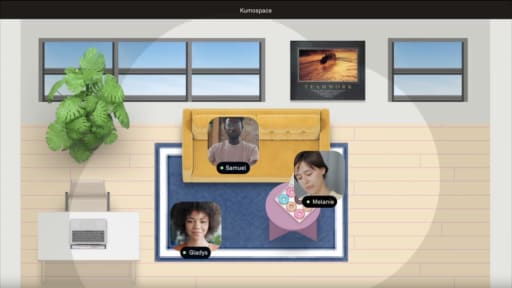
Remote work has transformed the way people live and work, replacing long commutes with the flexibility to work from home, a café, or even another country. Technology has made remote jobs more accessible than ever, giving professionals greater freedom, better work-life balance, and the ability to build routines that fit their lifestyles. Platforms like Kumospace help distributed teams stay connected through virtual collaboration and communication tools.
At the same time, remote work comes with challenges. While many employees enjoy flexibility and independence, others struggle with isolation, blurred work-life boundaries, and virtual communication hurdles. Whether you’re already working remotely or considering the switch, understanding both the benefits and drawbacks can help you decide if remote work is the right fit for your productivity and lifestyle.
For businesses, remote work also changes how teams collaborate, hire talent, and maintain company culture. Companies can recruit employees from different cities or countries, reduce office costs, and support more flexible schedules. However, success often depends on having the right communication tools, clear expectations, and intentional efforts to keep remote employees engaged and connected.
The benefits of remote work

The allure of remote work isn’t just in its novelty; it’s rooted in tangible benefits that extend beyond work hours. Remote employees often enjoy greater autonomy, flexibility, cost savings, and higher productivity, which is why remote working is better for long-term work-life balance and job satisfaction. With fewer employees in a physical office, businesses can also reduce infrastructure costs while accessing a broader global talent pool.
Remote work also gives employees more control over their schedules, creating additional time for professional development, family responsibilities, exercise, and personal interests. Many remote workers report lower stress levels, fewer commuting frustrations, and more free time throughout the week. Let’s explore how these advantages shape healthier work environments, stronger employee satisfaction, and more flexible modern workplaces.
Working with greater flexibility
The cornerstone of remote work’s appeal lies in its unparalleled flexibility. Gone are the days of rigid work schedules dictated by the 9-to-5 grind. Remote workers wield the power to design their day around peak productivity times, personal obligations, and even the occasional midday break to rejuvenate. Additionally, remote work enables employees to structure their week according to their unique needs, allowing for customized weekly routines and schedules.
This revolution in how employees work fosters a better work-life balance and maximizes productivity without the constraints of a traditional office environment.
Saving money for you and the business
Embrace the frugality and benefits of remote work, where the daily commute becomes a relic of the past. One of the biggest remote work benefits is the ability for employees to save money. No more spending on fuel, public transportation, or the constant need for new office attire. Employers also benefit from reduced costs. The cost savings aren’t limited to employees, either. For companies, the pros of remote working include reduced expenses on office space and overhead, making operations more efficient. While there are cons of remote work to consider, these financial perks highlight why so many people and businesses are making the shift. It’s a win-win scenario that supports better work-life balance and adds real business value.
Remote drives productivity
Contrary to the myth that remote work breeds procrastination, many employees report higher productivity when working remotely. Remote work productivity can be further enhanced by adopting structured time management strategies, such as the Pomodoro Technique, which involves working in focused intervals (typically 25 minutes) followed by short breaks to boost concentration and prevent burnout. The absence of office distractions allows for deep focus, and the flexibility to work during their most productive hours leads to more efficient task completion.
With the support of tools like Kumospace, remote teams can maintain high productivity while enjoying the perks of a flexible work environment.
Access to the global talent pool
Remote work offers several benefits for businesses, including:
- Dissolving geographic barriers and allowing access to a global talent pool
- Scouting the best talent, regardless of location
- Making a job offer more appealing to candidates by providing remote work options
- Catalyzing creativity and innovation through a diversified workforce
- Providing access to specialized skills and fresh perspectives
These advantages make remote work a game-changer for businesses.
By leveraging remote work, companies expand their talent acquisition and foster a work environment ripe for cross-cultural collaboration and team-building opportunities.
Positive environmental impact
The environmental benefits of remote work and greater efficiency are often overlooked. By reducing the need for daily commutes, remote employees contribute to a significant decrease in pollution and greenhouse gas emissions. This positive environmental impact resonates with a growing global consciousness towards sustainability, positioning remote work as not just a personal or business choice but a responsible one for the planet.
The challenges of remote work

As with any paradigm shift, remote work is not without its challenges. While the benefits are significant, remote work environments also introduce obstacles that traditional offices may not face. Managing communication across time zones, maintaining team collaboration, preventing burnout, and creating clear boundaries between work and personal life are all common concerns discussed in conversations around remote work pros and cons.
Some of these challenges include:
- Social isolation
- Blurring of work-life boundaries
- Lack of face-to-face interaction
- Difficulty in staying motivated and focused
- Communication and collaboration issues
Fully remote work can test the resolve and adaptability of even the most self-motivated workers.
Communication barriers and concerns about career advancement further complicate the remote working landscape, prompting the need for proactive solutions to these pervasive issues.
Social isolation
If you’re a loner, this isn’t a problem, but for many, the solitude of remote work can sometimes echo with the pangs of isolation. Office work’s lack of face-to-face interactions and in-person camaraderie can leave remote workers feeling disconnected, which can affect not only job satisfaction but also mental well-being.
Establishing a routine that incorporates social breaks and utilizing platforms like Kumospace for virtual gatherings can help bridge the social gap, reinforcing the human connections essential for a fulfilling work life. Working from coffee shops can also help remote workers stay socially connected by providing opportunities for casual interactions and a change of scenery.
Blurred work-life boundaries
One of the trickiest tightropes in remote work is maintaining a clear delineation between professional and home life. Without the physical separation of office space, work can seep into personal time and follow you around on your smartphone or tablet, leading to burnout and diminished job satisfaction. Household chores can also blur the line between work and home life, becoming a frequent distraction that interrupts focus and productivity.
Remote workers must be vigilant in setting work-life boundaries, such as fixed work hours and dedicated workspaces, to safeguard their well-being and ensure a healthy work-life balance.
Limited career advancement
The concerns about career growth in a remote setting are not unfounded. The absence of physical presence in an office can mean fewer opportunities for mentorship, networking, and visibility, potentially stalling career advancement.
To counteract this disadvantage, remote workers must be proactive in seeking feedback, participating in team-building activities, showcasing their contributions, and helping drive the business forward.
Solutions to remote work challenges
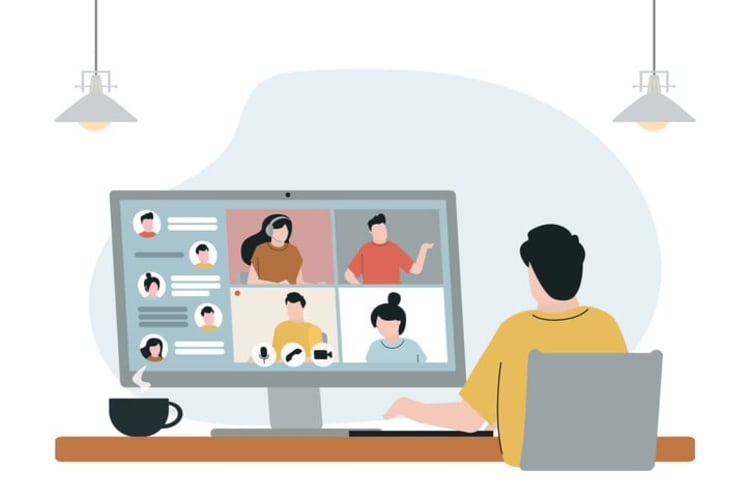
Given the right strategies and tools, the obstacles remote work presents are surmountable. By fostering a culture of regular communication, setting well-defined boundaries, and leveraging robust technology, remote work can be as rewarding and effective as its traditional counterpart. The use of digital tools, such as project management software, cloud storage, and virtual platforms, is essential for enabling remote collaboration, communication, and productivity.
Let’s explore the solutions that can help remote workers overcome challenges and thrive in a distributed work environment.
Encouraging regular communication
Regular communication is the lifeline of remote work. It’s essential for maintaining team cohesion and ensuring that everyone is on the same page. Regular team meetings and video calls are vital for keeping team members connected, sharing updates, and fostering a collaborative environment.
Tools like Kumospace offer a virtual office experience that can facilitate spontaneous and structured interactions, fostering a sense of community and reducing the isolation that can come with remote work. Video meetings are also crucial for effective communication and collaboration among remote team members.
Setting clear boundaries
For remote workers, the boundary between work and personal life must be clear and intentional. Here are some tips to help maintain a healthy work-life balance:
- Establish a routine that includes set work hours.
- Create a physical separation from the workspace.
- Take breaks throughout the day to recharge.
- Set boundaries with colleagues and clients to avoid work encroaching on personal time.
- Set boundaries with family members to minimize distractions and maintain focus during work hours.
- Prioritize self-care and make time for hobbies and activities outside of work. By following these tips, remote workers can fully engage with their personal lives when the workday ends.
The advantages of office work

While remote work offers flexibility and autonomy, office work provides its own set of benefits. Some of these benefits include:
- The structured environment of an office can enhance productivity and offer the benefits of a physical office, such as face-to-face communication and a dedicated workspace.
- In-person collaboration is easier and more effective
- Immediate access to resources and support is available
For some, these advantages outweigh the freedom of remote work, highlighting the importance of considering personal preferences and job requirements when choosing a work environment. In contrast, a traditional office setting fosters social interaction, camaraderie, and in-person professional relationship building that remote work may lack.
Structured routine
An office environment often comes with a fixed schedule, providing a predictable and structured routine that can foster a professional atmosphere. For those who thrive in a regimented setting, this structured routine can be a significant factor in maintaining productivity and achieving a healthy work-life balance.
In-person collaboration
The power of in-person interactions cannot be overstated. Being physically present allows for spontaneous ideas, dynamic collaboration, and stronger team bonds, making in-person work highly valuable. Office work gives employees the chance to engage in face-to-face interactions that can lead to more effective communication and innovation.
Access to on-site resources
Working in an office often means having immediate access to the necessary resources and equipment. From printers and scanners to specialized software, these on-site resources can significantly improve efficiency and convenience, reducing downtime and promoting productivity.
Disadvantages of office work

Despite office work's advantages, some downsides can impact work life and personal satisfaction. Rigid schedules, the daily commute, and office distractions can all negatively impact productivity and well-being.
Recognizing these challenges is essential for individuals and businesses alike as they consider the optimal work environment.
Commuting time and expenses
For many, the daily commute to an office is a time-consuming and costly affair. The hours spent in traffic congestion and the expenses incurred from public transportation or fuel can add to the stress of the workday, detracting from the overall job satisfaction and work-life balance.
Limited flexibility
Office work's lack of flexibility can be a significant drawback for those who value the ability to manage their work hours around personal appointments or unforeseen life events. The rigidity of a traditional office environment can make it challenging to maintain a better work-life balance, potentially leading to increased stress.
Office distractions
Noise and interruptions are common in many office environments, leading to distractions that can impede focus and productivity. While some thrive in the bustling atmosphere of an office, others may find the constant activity hampers their ability to stay productive, highlighting the need for personal work style consideration.
Hybrid work model

As the debate between remote and office work continues, a middle ground emerges: the hybrid work model. This approach combines the best elements of both environments, allowing for flexible schedules and the benefits of in-person collaboration. As part of hybrid models, some employees are transitioning back to the office, navigating the shift between remote and in-person work.
With its rising popularity, the hybrid work model has become a beacon for those seeking a balanced and satisfying work life. Business owners can also benefit from hybrid work arrangements, as they offer flexibility while maintaining team cohesion and productivity.
Combining the best of both worlds
The hybrid work model is the epitome of balance, offering the flexibility of remote work with the collaborative benefits of in-person interactions. Employees can enjoy the camaraderie of the office on certain days while relishing the autonomy of remote work on others. This balance often leads to heightened job satisfaction and well-being, as employees can tailor their work environment to their needs.
Flexible schedules
Flexible schedules are a hallmark of the hybrid work model. By allowing employees to alternate between remote and in-office work, apps to create hybrid schedules provide the autonomy to manage work in a way that suits individual lifestyles and preferences. Whether it's the structured hybrid work model with predefined days or a more fluid arrangement, this flexibility can enhance job satisfaction and productivity.
Improved employee satisfaction
In the hybrid work model, the correlation between flexible work arrangements and improved employee satisfaction cannot be overstated. The autonomy to choose where and when to work empowers employees, fostering a sense of control and contentment. This balance ultimately leads to higher engagement, loyalty, and a harmonious integration of work and personal life, all of which are conducive to a thriving company culture. In hybrid work models, employee satisfaction and work-life balance should be a top priority to ensure long-term success.
Summary
Remote work gives employees greater flexibility, better work-life balance, reduced commuting costs, and the freedom to work from almost anywhere. Many companies also benefit from lower office expenses, access to global talent, and increased productivity supported by digital collaboration tools like Kumospace. At the same time, remote work can create challenges such as social isolation, communication gaps, blurred work-life boundaries, and reduced visibility for career growth.
Frequently Asked Questions
Yes, remote work can lead to increased productivity. Studies have shown a 13% increase compared to in-office work due to fewer distractions and the ability to work during one's most productive hours.
To combat feelings of isolation, remote workers should establish routines, use platforms for virtual interactions, and participate in team-building activities to stay connected with others. These strategies can help overcome the challenges of working remotely.
Remote work has environmental benefits such as reducing pollution and greenhouse gas emissions, which has the potential to make a significant impact by reducing millions of tons of emissions annually.
The hybrid work model improves employee satisfaction by providing the benefits of both remote and office work, including flexibility and in-person collaboration, which lead to higher job satisfaction and well-being.
Yes, Kumospace integrates with other SaaS, productivity and digital business tools to boost the remote work experience, while allowing workers to create a home-from-home virtual office environment to work in.